

You know that feeling when you list your house and suddenly your entire life revolves around keeping it spotless? Every dish gets washed right away, clothes can’t be left on a chair, and weekend plans vanish because someone wants a last‑minute showing, only never to show up again.
The state’s housing market is in an unusual phase. Home sales recently reached their highest level in more than three years, yet prices remain high. At the same time, inventory remains tight in many regions, while in others, listings have slowly grown, creating a mix of fast moves and slow negotiations that leave sellers waiting longer than they expected.
I’ve watched friends go through this traditional process, weeks of prep, costly upgrades, and offers that fall apart because buyers couldn’t secure financing. After all that effort, their net profit barely covered what they’d invested. That’s when people begin to wonder if there’s a better way to sell one that actually fits their real life instead of an idealized version of how home sales are supposed to work.
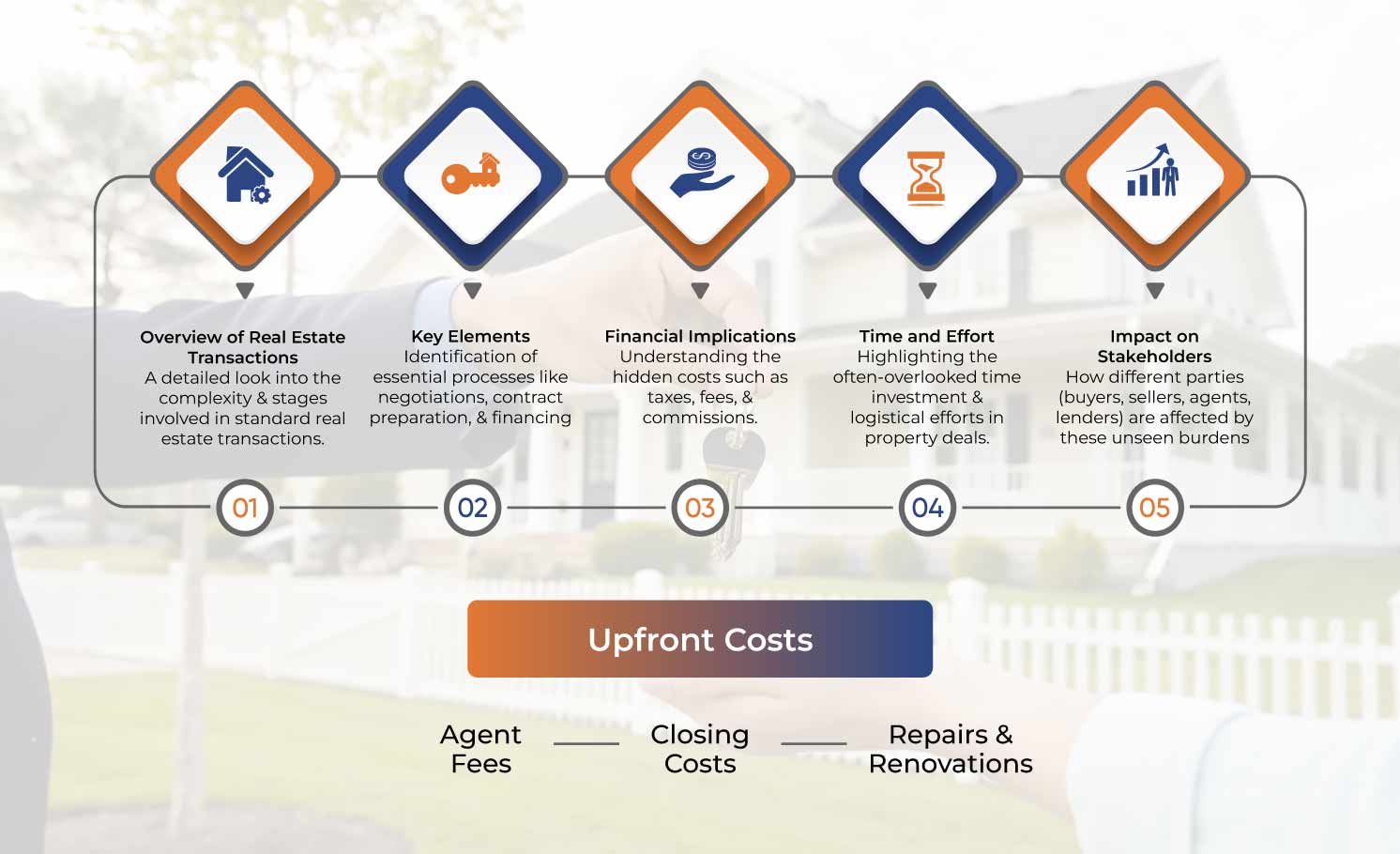
The Hidden Weight of Standard Real Estate Transactions
Most California sellers don’t realize how heavy the burden gets until they’re already deep into the process.
The Endless Expense Treadmill
Your agent recommends professional photography, so you hire a photographer. They recommend staging, either by renting furniture or hiring a consultant. The inspection reveals issues buyers will definitely notice, so you’re fixing problems you’ve lived with for years.
Then comes the negotiation dance. Buyers want credits for repairs. They want you to replace appliances that work fine but look dated. They want allowances for things you never even considered as problems.
Every compromise chips away at your expected profit until you’re wondering why you didn’t just sell to someone who wanted the house as it actually exists.
Making Real Estate Decisions on Your Schedule
Real estate agents love talking about optimal listing seasons and market conditions, but life doesn’t care about the spring selling season or buyer demand trends.
Your company is transferring you next month. Your divorce can’t wait for the perfect buyer to emerge. Your parent passed away and left you a house you can’t maintain from across the country. The bank’s foreclosure timeline doesn’t pause because it’s a slow market.
These real situations need real solutions, not theoretical advice about patience and market timing.

Understanding Cash Buyers Beyond the Stereotypes
Cash home buyers have a reputation problem. People picture shady operators taking advantage of desperate homeowners, but that’s not how legitimate companies operate.
What They’re Actually Buying
Cash buyers aren’t looking for desperate sellers; they’re looking for properties that fit their business model. They purchase homes that need work, handle the renovations themselves, and either rent them out or resell them after improvements.
Your cracked driveway isn’t a dealbreaker. Those outdated bathrooms don’t need to be replaced before you sell. The weird layout that’s been bothering you for years? They’ll work with it or change it later on their timeline, not yours.
This fundamental difference changes everything about the transaction. You’re not trying to convince someone to fall in love with your house. You’re offering a business opportunity to someone who already understands the investment potential.
The Speed Factor Actually Matters
Everyone talks about fast closings, but speed isn’t just about convenience. It’s about avoiding the compounding costs that eat away at your equity each month.
Each month you own the property, you’re paying the mortgage, property taxes, insurance, utilities, and maintenance. In California, where property costs run high, those monthly expenses add up to real money.
How the Process Actually Unfolds
Cash sales follow a more straightforward path than traditional transactions, which makes them easier to navigate even during stressful life circumstances.
The Initial Conversation
You reach out because you’re curious or because your situation demands quick action. The conversation starts with fundamental questions about your property and your timeline. Good companies don’t pressure you; they’re gathering information to determine if they can help.
This isn’t a sales pitch. It’s an evaluation in which both parties determine whether the arrangement makes sense. You’re not obligated to anything during this stage, and legitimate buyers make that clear from the start.
Evaluating Your Property with Clarity
Someone visits your home to see what they might be buying. This walkthrough feels different from buyer showings because there’s no performance involved. You don’t need to apologize for clutter, explain your decorating choices, or justify deferred maintenance.
The Offer Reflects Reality
The buyer is calculating the purchase price, renovation costs, carrying costs during improvements, and eventual resale value or rental income. They need room for profit after all that work and risk. That math results in offers that typically land below what you might get from a traditional buyer with financing.
The question isn’t whether the offer matches some idealized number in your head. It’s whether the offer, minus zero repair costs, minus zero agent commissions, minus zero closing delays, minus zero stress, actually works better for your specific circumstances.
Closing on Terms That Work for You
Flexibility around closing dates is often the most overlooked advantage of cash sales. Traditional buyers have constraints, mortgage approval timelines, contingencies, and coordination with their own home sales. Cash buyers can adapt to your needs.

Real Situations Where Alternative Sales Make Sense
Cash buyers serve California homeowners across a wide range of circumstances, not just distressed situations.
The Inheritance Nobody Wanted
Your aunt left you her house, which sounds generous until you realize it’s in a city you’ve never lived in, hasn’t been updated since before smartphones existed, and needs repairs you can’t assess from another state.
Traditional sales require repeated flights for inspections, repairs, showings, and negotiations. Cash sales mean one visit to review the offer and sign paperwork, then you can move forward with your day-to-day life.
Relationship Endings
Divorce puts you in impossible positions. You need to liquidate shared assets, but neither party wants to manage a lengthy sale process amid emotional turmoil and legal proceedings.
Cash buyers provide clean breaks. You split the proceeds quickly, sever the financial tie, and both move toward separate futures without months of forced cooperation around property management.
Job Opportunities You Can’t Refuse
Career advancement sometimes means relocating fast. Your new employer wants you there soon, but your California house isn’t ready to list. You can’t afford two mortgages, can’t manage showings from across the country, and can’t risk losing this opportunity.
Cash buyers solve the timing problem. You sell now, relocate on schedule, and eliminate the stress of long-distance property management during your crucial first months in a new position.
Properties That Need Real Work
Some houses need more than cosmetic updates. Foundation issues, severe plumbing problems, electrical systems that don’t meet current codes, or structural damage from age or earthquakes, these aren’t simple fixes.
Traditional buyers walk away from properties with significant problems, or they demand massive price reductions plus repair credits that make the math impossible. Cash buyers specialize in precisely these situations because fixing properties is their business model, not an unexpected burden.

Spotting Trustworthy Buyers in California’s Market
The cash-buyer industry includes both ethical companies and unethical operators you should avoid. Knowing the difference protects you.
Track Record Tells the Story
Companies with years of experience in California, consistent online reviews, and transparent operations are reliable. They’ve built reputations they want to protect, so they treat sellers fairly.
Look for evidence of real business operations, professional websites, physical offices, and clear contact information. Companies that hide behind generic online forms and refuse to meet in person raise legitimate concerns.
How They Communicate Matters
Pay attention to communication style during initial interactions: pushy sales tactics, aggressive timelines, or reluctance to answer questions all signal problems.
Good buyers educate you on the process, clearly explain their offer, and respect your need to consider options. They understand you’re making a significant financial decision and don’t rush you toward signatures.
Fee Structures Are Telling
Legitimate cash buyers never charge sellers upfront fees. Their profit comes from improving and reselling properties, not from collecting payments from homeowners.
If someone asks for processing fees, administrative costs, or any other payment from you, walk away immediately. That’s not how professional real estate investors operate.
When Traditional Sales Actually Make More Sense
Cash buyers aren’t the correct answer for every situation, and honest companies will tell you that.
You’ve Got Time and a Great Property
If your house is in excellent condition, you’re not facing urgent timelines, and you can handle the showing process, traditional sales usually yield higher returns. California’s competitive markets reward patience when you’ve got a desirable property.
Working with a skilled agent in hot markets like the Bay Area, San Diego, or coastal communities can maximize your price if you can afford to wait through the process.
You Prefer Maximum Control
Some sellers want to be involved in every decision, from choosing their agent to reviewing every offer and negotiating each term. Traditional sales offer more control points, though they also require more active management.
If you enjoy the process and have knowledge about real estate transactions, managing a traditional sale yourself is more satisfying than handing everything to a cash buyer.
Your Numbers Work Differently
Run the actual math for your situation. Calculate agent commissions, closing costs, repair expenses, and carrying costs during the sale period. Compare that to a cash offer with nothing deducted.
Sometimes the traditional path yields a more even outcome after expenses. Sometimes the cash offer works out better when you factor in all the costs. The right choice depends on your specific numbers, not general assumptions.
Conclusion
Selling your California home isn’t about following some prescribed path everyone else takes. It’s about solving your specific problem in a way that makes sense for your circumstances, timeline, and financial goals. Think honestly about what you actually need. Fast cash might matter more than maximum price. Avoiding repair hassles might be worth accepting a lower offer. Eliminating stress could improve your quality of life enough to justify the tradeoff.
Nobody else lives your life or faces your specific pressures. The right answer exists only in the context of your real situation, not in abstract discussions about market values or optimal strategies.
ZG Home Relief exists to provide options for California homeowners who need alternatives to traditional sales. Whether that’s the right path for you depends on factors only you can evaluate. We’re here to explain how it works, answer your questions honestly, and help you make informed decisions about your property.
FAQs
What services does ZG Home Relief offer?
ZG Home Relief provides fast, stress-free home sales through trusted cash buyers, handling properties as-is with no hidden fees.
How quickly can ZG Home Relief close a sale?
Most sales can close within days to a few weeks, depending on your timeline and property specifics.
Does ZG Home Relief require repairs before it can sell?
No. They buy homes as-is, so you don’t need to make repairs or upgrades.
How can I verify that ZG Home Relief is trustworthy?
They have verified experience in California, transparent processes, clear communication, and no upfront costs for sellers.